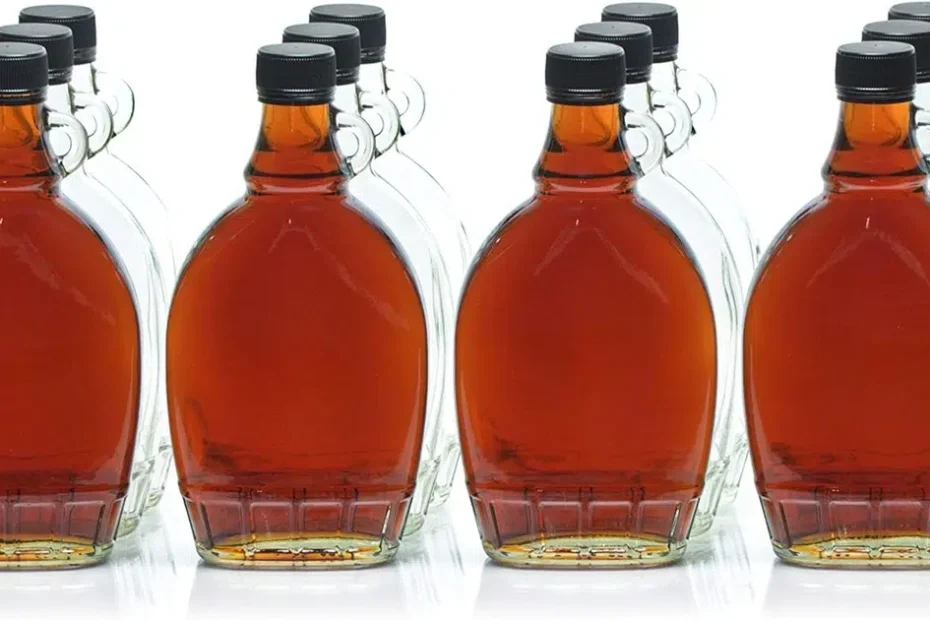
So there I was last weekend, standing in the kitchen on waffle day. Syrup bottle in one hand, a kid asking questions with the other. Mid-pour, my youngest looks up and says, “Why does the bottle have that little handle if it doesn’t even do anything?”
I stopped. Looked at the bottle. Looked at the tiny loop on the side. And realized I’d never once thought about it. The handle is so small that a normal adult finger can’t really use it. Maybe a squirrel could manage. For the rest of us, it just sits there looking decorative.
I gave a vague parent answer and moved on, but the question stuck. Later, after the syrup somehow made it onto the dog, I finally looked it up. That little handle isn’t random. It has a whole history behind it.
It Started With Big, Heavy Jugs
Go back a century or more and maple syrup (and molasses) often came in large ceramic or stoneware jugs. These things were heavy when full. They had big, sturdy loop handles on the side so you could actually lift and pour without destroying your wrist. The handle was practical. Necessary, even.
When glass bottles took over, the containers got smaller and lighter. Suddenly you didn’t need a big handle to carry them. But instead of redesigning the bottle from scratch, manufacturers kept a version of that old loop. They just shrunk it way down. What used to be functional became mostly visual.
That’s why the handle on your modern maple syrup bottle looks like a miniature version of something that once had a real job. It’s a leftover from the days when syrup came in jugs the size of small toddlers.
The Fancy Word for This Kind of Design
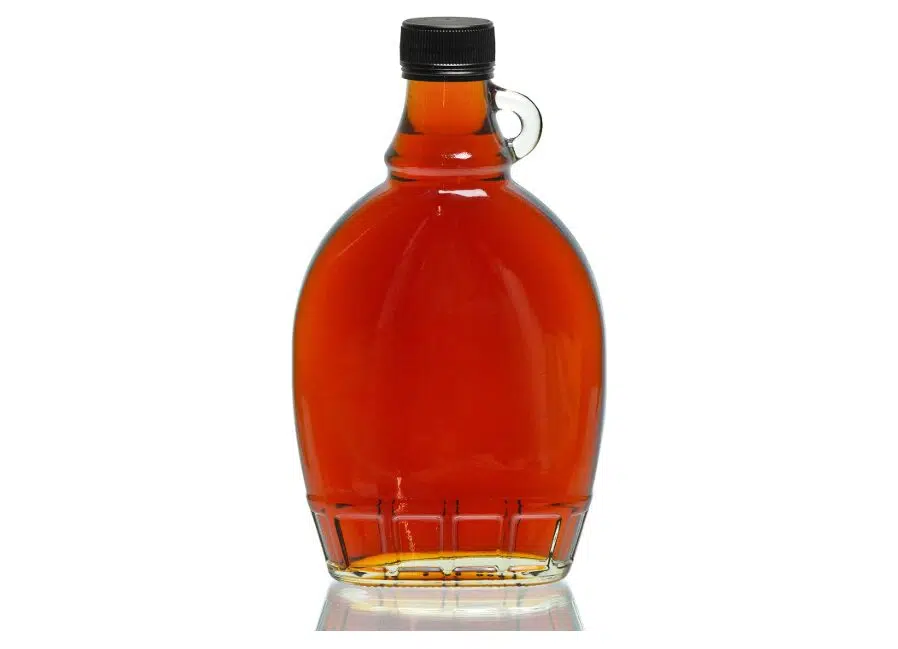
Designers have a term for this: skeuomorph. It means a new object keeps a feature that used to be useful on an older version, even though the feature no longer does anything practical. Think of the fake stitching on some jeans, or the little floppy-disk icon that still means “save” on computers. The maple syrup handle is the same idea.
It doesn’t need to work. It just needs to feel right. The tiny handle completes the classic syrup-bottle silhouette. Without it, the bottle would look a little too plain, a little too modern, a little less “maple syrup-y.” Keeping the handle is a quiet way of saying this product still belongs to an older tradition.
It’s Also Really Smart Marketing
Here’s where it gets clever. That useless little handle does a lot of quiet selling. It makes the bottle feel rustic. Homemade. Like it might have come from a small sugarhouse in Vermont instead of a factory and a grocery-store shelf.
Your brain sees the handle and fills in the rest of the story: real maple, traditional methods, something a little more authentic than the average condiment. Even if you’ve never seen an old ceramic syrup jug in your life, the shape still triggers that cozy, old-fashioned feeling. Syrup companies know this. The handle is part of the brand whether anyone admits it or not.
It’s the same reason so many “artisan” products keep design details that no longer serve a purpose. The details do the emotional work.
Is the Handle Completely Useless?
Not quite. You can’t comfortably carry the bottle by the tiny handle unless you have very small fingers and a lot of patience. But it does give you something to pinch when the bottle gets sticky, which happens more often than anyone likes to admit. In a pinch (literally), it can help you keep a grip while pouring.
Some people also hang the bottles by the handle on hooks if they buy syrup in bulk and want them off the counter. For most of us, though, the handle’s main job is simply to be there. It makes the bottle feel finished. Special, in a small, sticky kind of way.
A Tiny Tradition That Refuses to Leave
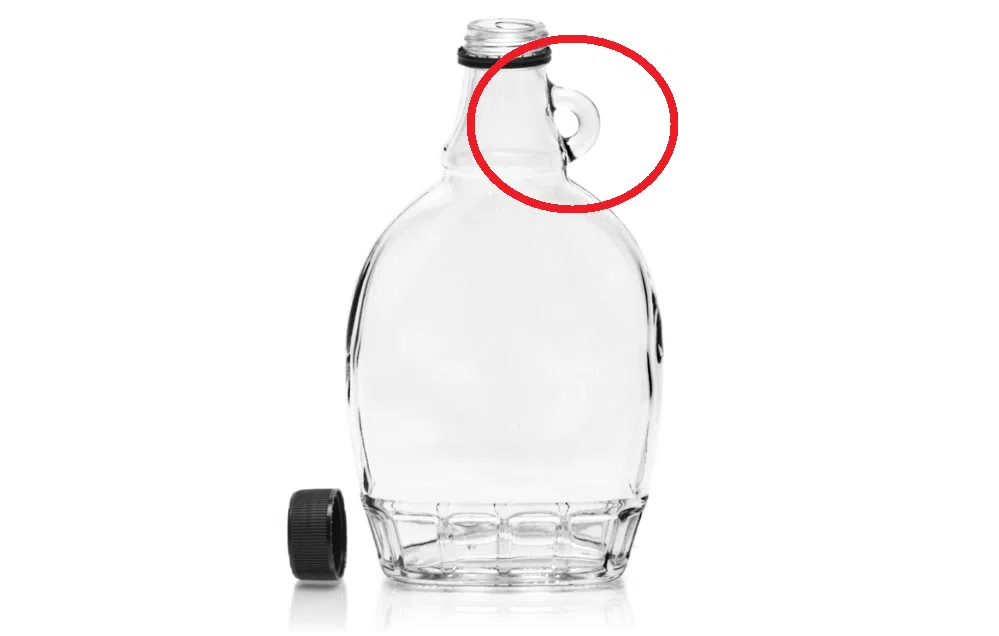
Every time I look at a maple syrup bottle now, I notice the handle and smile a little. We’re not hauling heavy ceramic jugs anymore. We don’t need the loop for strength. But we kept it anyway because it still looks the way maple syrup is “supposed” to look.
Design does this all the time. We carry little pieces of the past into the present not because they still work, but because they feel familiar. The tiny handle is one of those pieces. It’s a quiet reminder that some things stick around simply because they feel right.
So the next time a kid (or a curious adult) asks why the maple syrup bottle has that little handle, you’ll have a better answer than a shrug. It’s not for holding. It’s not for carrying. It’s a leftover from bigger, heavier days—kept alive because it still makes the bottle feel like the real thing.
And honestly, in a world that changes so fast, there’s something kind of sweet about a tiny handle that refuses to disappear. Even if it does get sticky.




Disclaimer:
This website is for informational and entertainment purposes only. We are not a real estate company and do not sell, list, or broker properties. We simply run a blog that shares interesting houses found on other websites.All real estate decisions should be made with licensed professionals. We cannot guarantee that the information here is always accurate or up to date. Use the content at your own discretion.