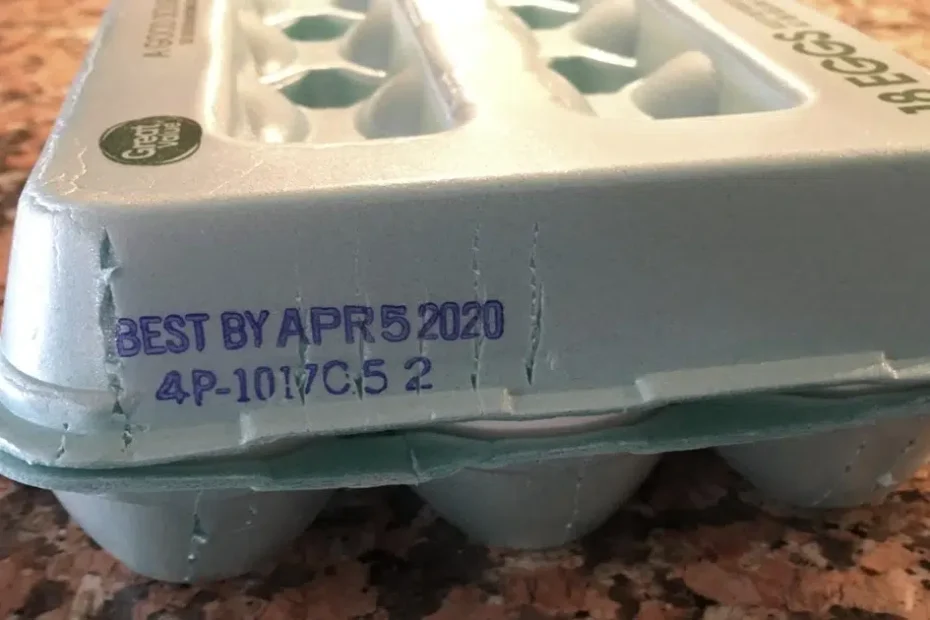
A few years ago I made a quiche for friends and nearly took everyone down with me. Not full-blown hospital territory, but the kind of night where people keep quietly disappearing to the bathroom and nobody wants dessert. The eggs looked perfect. No weird smell. No cracks. The date on the carton was still good. I felt like a terrible host and a complete idiot.
The real problem was a set of tiny numbers I had ignored for years. Those little codes on the side of every egg carton are not random. Once you understand egg carton numbers, you stop guessing and start knowing exactly how fresh your eggs are, where they came from, and whether they will actually perform in the pan. This is the guide I wish someone had handed me before that disastrous dinner party.
The Julian Date: Your Eggs’ Real Birthday
Look at the side of almost any carton and you will see three digits. Something like 045 or 278. That is the Julian date. It is simply the day of the year the eggs were packed. January 1 is 001. February 1 is 032. December 31 is 365 (or 366 in a leap year).
This number matters more than the “sell by” or “best by” date printed in big letters. Those dates are often set weeks after packing and can stretch the truth. The Julian date does not lie. If today’s day of the year is 220 and the carton says 185, those eggs have already been sitting around for more than a month. I now aim for cartons packed within the last 14–21 days. Yes, I stand in the dairy aisle comparing numbers like I am choosing a bottle of wine. The stares are worth it.
Pro tip: when you get home, grab a marker and write the actual pack date on the lid. “Packed day 185 – use by day 215.” It takes five seconds and saves you from the sad, watery scrambled eggs that ruined my Sunday breakfast more than once.
The Plant Code: Where Your Eggs Actually Came From
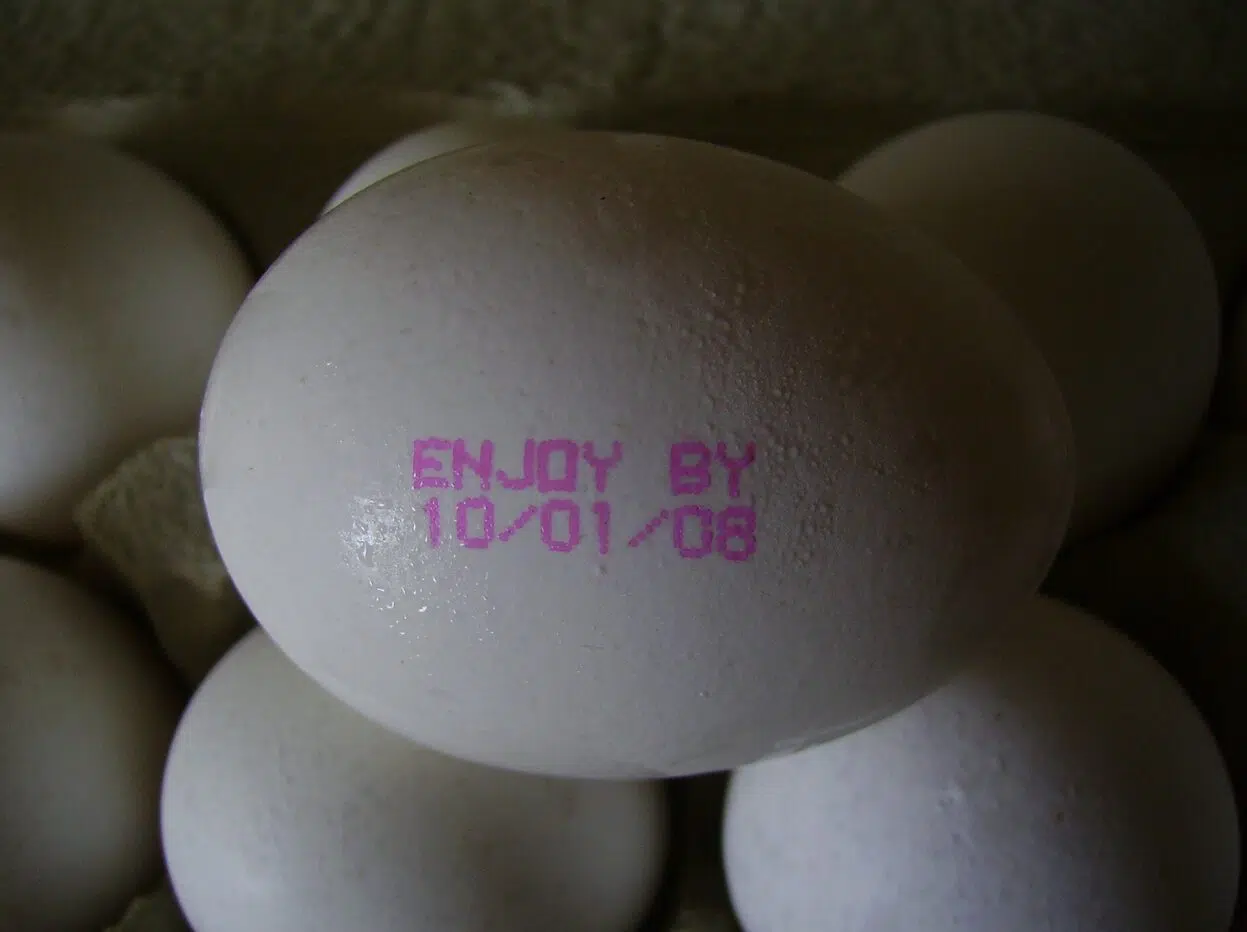
Right next to the Julian date you will usually see a “P” followed by four numbers, like P1234. That is the USDA plant number. It tells you exactly which facility processed the eggs.
Most of the time you will never need it. Until there is a recall. Salmonella outbreaks still happen, and when they do, the FDA or USDA lists the specific plant codes involved. Having the number on your carton means you can check in thirty seconds instead of throwing everything out in a panic. I once stood in front of my open fridge, phone in one hand and carton in the other, matching codes while my heart raced. Mine were safe. The relief was real.
Keep the carton until the eggs are gone. That little P-code is your quiet insurance policy.
How Long Do Eggs Actually Stay Good?
The classic float test (if it sinks it is fine, if it floats it is bad) is only half true. An older egg develops a larger air cell and will stand up or float, but it can still be perfectly safe to eat. Texture and flavor, however, will have gone downhill.
Properly refrigerated eggs stay safe for 4–5 weeks after the pack date. Quality starts dropping after about three weeks. The coldest part of your fridge (not the door) slows that decline. I learned this the hard way after a carton that was still “in date” produced scrambled eggs that tasted like sadness and water.
Fresh eggs have tighter whites, taller yolks, and richer flavor. Older ones spread out in the pan and lose that bright, almost creamy taste. Once you notice the difference, you become picky fast.
Those Fancy Labels Are Often Just Marketing
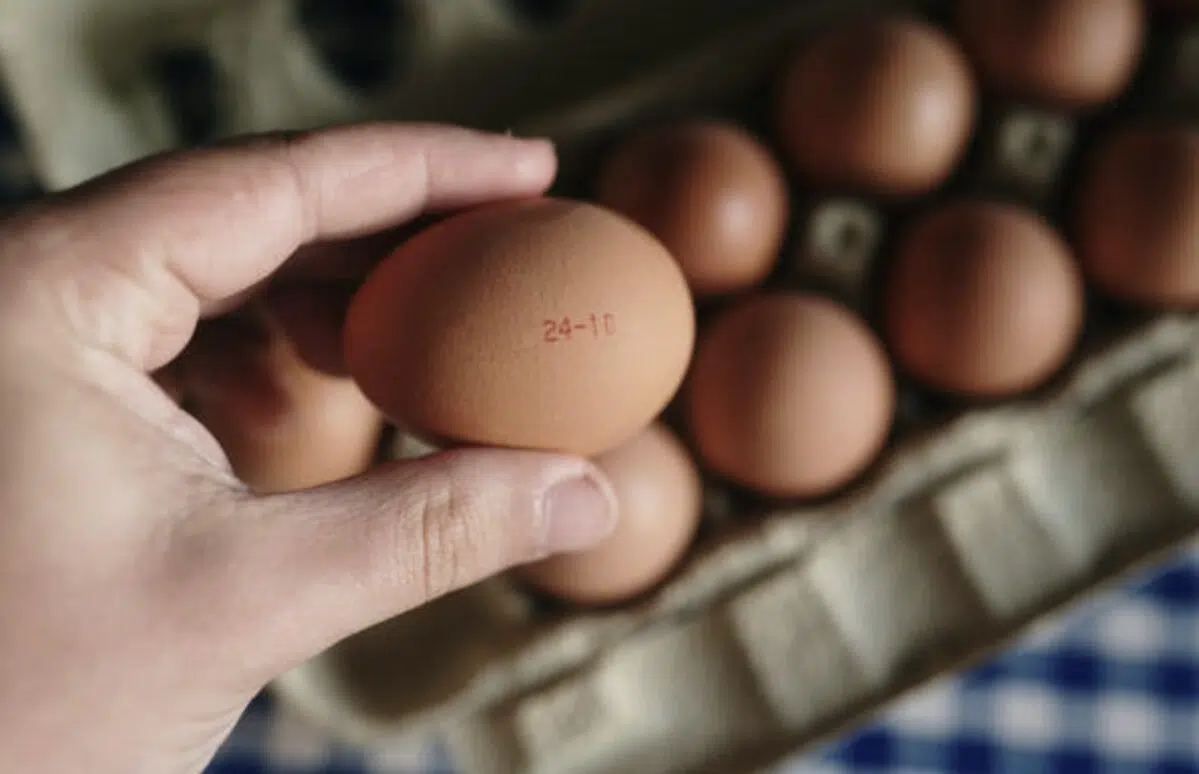
Cage-free, free-range, organic, pastured. The words sound like the chickens are living their best lives. Reality is more complicated.
- Cage-free usually means the birds are not in battery cages, but they still live in large indoor barns.
- Free-range requires some outdoor access, yet that access can be a small door that opens for a short time each day.
- Organic focuses on feed and no antibiotics, not necessarily more space or outdoor time.
- Pastured is the one that actually means chickens spend serious time outside on grass. The yolks are usually deeper orange and the flavor is noticeably better.
If the taste and color matter to you, pastured is worth the extra money. For everyday baking where the eggs disappear into batter, a good regular carton with a recent Julian date works just fine.
USDA Grades: AA, A, and the Rare B
Eggs are also graded. Grade AA have the firmest whites and highest, roundest yolks. They hold their shape beautifully for frying and poaching. Grade A is slightly less perfect but still excellent for almost everything. Grade B eggs exist but almost never show up in regular grocery stores; they tend to go to commercial kitchens and baking.
When I am making a nice breakfast I reach for AA. When I am baking cookies or a cake, grade A is perfectly acceptable. The difference is real once you start paying attention.
The Morning Everything Finally Clicked
One lazy Sunday I made the simplest scrambled eggs. Same pan, same salt, same splash of cream. They came out thin, watery, and bland. I checked the carton. The Julian date was 36 days old. Technically still safe. Practically tired.
Two weeks later I bought the same brand with a pack date only nine days old. Same recipe. Completely different result: fluffy, rich, the kind of eggs that make you slow down and actually enjoy breakfast. That was the moment I became an unapologetic egg snob.
Egg carton numbers look boring until they save your dinner party, your stomach, and your scrambled eggs. The Julian date tells you true age. The plant code keeps you safe during recalls. The grade tells you how the eggs will behave in the pan. And the marketing words? Now you know how much weight to give them.
Next time you are in the store and someone gives you a strange look for comparing cartons, just smile. You know something most people still ignore. And your future quiche guests will thank you for it.








Disclaimer:
This website is for informational and entertainment purposes only. We are not a real estate company and do not sell, list, or broker properties. We simply run a blog that shares interesting houses found on other websites.All real estate decisions should be made with licensed professionals. We cannot guarantee that the information here is always accurate or up to date. Use the content at your own discretion.