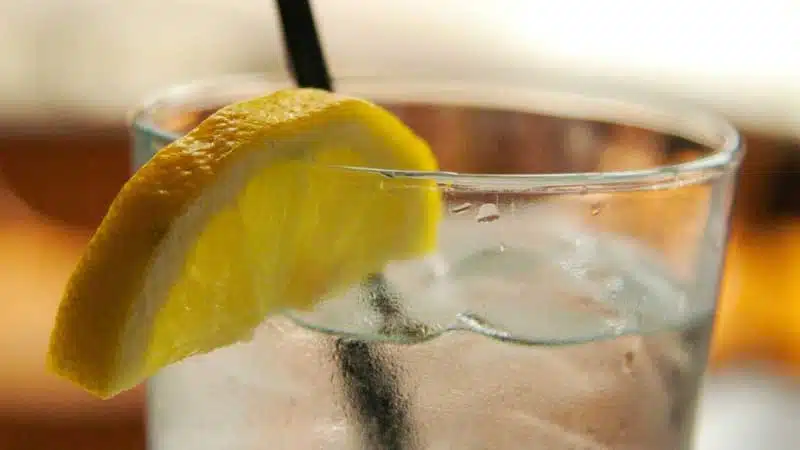
I used to feel fancy every time I ordered lemon water at a restaurant. A little citrus kick, a touch of class, and the quiet belief that I was making a healthier choice. Then I learned what actually ends up on those little yellow wedges. Let’s just say my “healthy” habit turned into a full-body cringe.
If you’ve ever asked for lemon water at restaurants, this one is for you. The truth about those garnishes is messier (and germier) than most people realize. Once you know the details, plain water starts looking like the smarter, safer move.
The Study That Made Me Push the Lemon Away
ABC News once set out to find the germiest spots in restaurants. They swabbed all the usual suspects—menus, salt shakers, seats. Then they tested lemon wedges. Half of the lemons they checked carried traces of human fecal matter.
Yes. Half.
How does that even happen? Hidden cameras showed kitchen staff grabbing lemons with bare hands. No gloves. No tongs. Just fingers that may or may not have been washed after a bathroom break. One quick touch and whatever was on those hands is now sitting in your water glass.
I read that and immediately replayed every lemon water I’d ever ordered. Suddenly the “refreshing” drink felt a lot less refreshing.
It Gets Worse: The Journal of Environmental Health Findings
Another study published in the Journal of Environmental Health looked at 76 lemon wedges from 21 different restaurants. Nearly 70 percent were covered in microbes. Some tested positive for E. coli—the kind of bacteria that can cause serious stomach trouble and worse.
These weren’t random street lemons. These were the exact wedges restaurants drop into your glass or perch on the rim like a decorative afterthought. The researchers weren’t trying to scare anyone for fun. They simply found what was already there.
Restaurants are busy places. Hands move fast. Surfaces get wiped (or don’t). Lemons often sit in open containers where multiple people can touch them throughout a shift. That combination is a perfect recipe for contamination.
Why Restaurant Lemons Are Different From the Ones at Home
At home you control the lemon. You wash it. You cut it with a clean knife. You know whose hands have been near it. In a restaurant kitchen, that lemon has probably been handled by several people, stored in a bin that may not get sanitized often, and exposed to the general chaos of a busy service.
Even well-meaning staff can spread germs without realizing it. A quick scratch of the nose, a touch of the hair, a moment of forgetting to wash after handling money or clearing plates—any of those can transfer bacteria straight onto the fruit that ends up in your drink.
I’m not saying every single lemon is dangerous. I’m saying the odds aren’t in your favor, and the potential downside is not worth the mild flavor boost.
What You Can Do Instead
The simplest fix is also the easiest: just say no to the lemon. Order flat or sparkling water and skip the garnish completely. Your stomach will thank you, and you won’t miss much. Most of the “lemon water benefits” people talk about come from actual lemon juice mixed into water at home, not from a questionable wedge floating in a glass.
If you really want citrus, squeeze a clean lemon into your water before you leave the house or carry a small bottle of lemon juice. Some people even ask for a slice of lemon on the side and inspect it first—but honestly, once you’ve read the studies, that still feels like rolling the dice.
While you’re at it, wash your hands before you eat. Restaurant bathrooms and table surfaces are not always as clean as we’d hope. A quick hand wash is free insurance.
The Bigger Picture of Restaurant Cleanliness
Lemon wedges are just one example. Ice machines, soda gun nozzles, and shared condiment bottles can also harbor more bacteria than most diners realize. The lemon story sticks with people because it’s so visual and personal—something you put directly into your mouth.
None of this means you should never eat out again. It just means a little awareness goes a long way. I still go to restaurants. I still enjoy the food. I simply no longer treat the lemon wedge as an innocent little upgrade.
These days when the server asks if I want lemon, I smile and say, “No thanks, just the water.” It feels like the adult decision. And after learning what those studies found, it also feels like the only sane one.
So next time you’re tempted by that pretty yellow slice, remember the numbers: half of the tested lemons carried fecal matter, and nearly 70 percent were loaded with microbes. Fancy is overrated. Clean water is underrated. Your gut will notice the difference.








Disclaimer:
This website is for informational and entertainment purposes only. We are not a real estate company and do not sell, list, or broker properties. We simply run a blog that shares interesting houses found on other websites.All real estate decisions should be made with licensed professionals. We cannot guarantee that the information here is always accurate or up to date. Use the content at your own discretion.