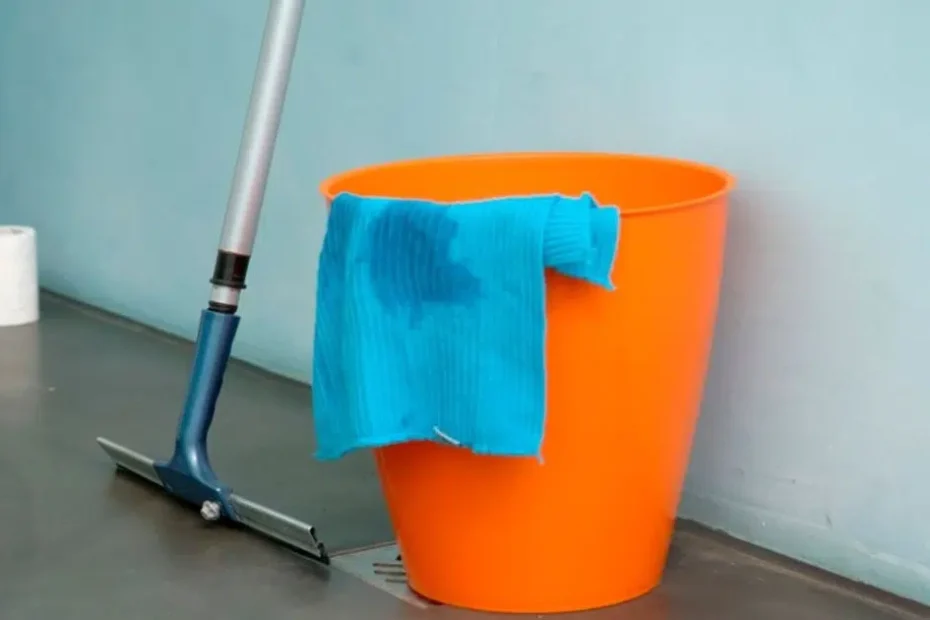
You’ve just finished mopping. The floors look great. The bucket, on the other hand, looks like a swamp. Now you’re standing in the hallway holding that heavy, murky water and doing the classic mental dance: toilet or bathtub?
I’ve been there more times than I care to admit. One hand on the bucket, the other hovering like I’m about to choose a career path. It feels strangely high-stakes for something so ordinary. So let’s settle it once and for all.
In most homes, the toilet is the better everyday choice. The bathtub can work in a pinch, but it’s rarely the smartest option. And if you have a utility sink or laundry sink, that’s the real winner.
Why the Toilet Usually Wins
The toilet connects directly to the sanitary sewer or septic system and is built to handle waste. Dirty mop water isn’t just water. It’s a mix of dirt, pet hair, crumbs, dust, detergent residue, and whatever mystery grit was hiding under the fridge. A toilet bowl and waste line are designed to move that kind of stuff away quickly.
There’s also the hygiene factor. When you pour mop water into the bathtub, you’re putting floor dirt into the place where people stand barefoot to get clean. Yes, you can rinse and disinfect afterward. But that’s extra work. If I can avoid cleaning the thing I just dirtied while cleaning, I’m taking that deal every time.
Pouring into the toilet is also less splashy if you go slowly and keep the bucket low. Still wipe the rim, seat, base, and nearby floor when you’re done. Mop water leaves a weird dusty ring when it dries. Trust me on that one.
How to Pour Mop Water Down the Toilet the Right Way
Yes, you can pour mop water down the toilet in most homes. Just do it carefully and keep solids out of the line.
Before you dump, look in the bucket. Hair clumps, leaves, food bits, paper, or thick mud should go in the trash first. I keep an old paper towel or a cheap strainer nearby for this exact reason. Bathroom hair in particular seems to treat the mop bucket like a luxury condo.
Here’s the simple method I use:
- Lift the seat and pour slowly into the bowl—no dramatic shoulder-height pours.
- Watch the water level. If it starts rising oddly, pause.
- Flush once the bucket is mostly empty, or flush in batches for a big load.
- Rinse the bucket with clean water and pour that into the toilet too.
- Wipe any splashes on the toilet, baseboards, and floor.
If your home runs on a septic system, be extra careful with the cleaners. Mild diluted floor cleaner is usually fine in small amounts. A full bucket of bleach, ammonia, or strong disinfectant concentrate is not. Never mix bleach and ammonia—toxic gas is not the souvenir you want from cleaning day.
Can You Use the Bathtub Instead?
You can, but it’s my second choice. The tub drain is smaller and already deals with soap scum and body oils. Adding sand, pet hair, or kitchen crumbs makes it easier to clog. Plus, people bathe in there. Kids sit in there. Someone might wash the dog in there. Once floor water goes in, you need to rinse the sides, clean the drain area, and disinfect the tub floor before anyone uses it again.
If the tub is your only realistic option, use a drain strainer if you have one, pour slowly near the drain, rinse with hot water, and clean the surface right away. Don’t dump thick sludge and hope for the best. Drains have long memories and zero sense of humor.
The Best Spot If You Have One
A utility sink, service sink, mop sink, or floor drain connected to the sanitary sewer is ideal. These fixtures are made for dirty cleaning water and awkward buckets. They’re usually lower, so you’re not hauling a heavy bucket up to counter height. They’re also farther from food prep and bathing areas.
At home, a laundry sink is perfect for this. Use it whenever you can. Just don’t treat any drain like a trash chute—rocks, wet leaves, and heavy mud still belong in the garbage, not the pipes.
Places You Should Never Dump Dirty Mop Water
Skip the storm drain, street gutter, garden, or yard if the water contains cleaners or disinfectants. Storm drains often lead straight to local waterways without the treatment household wastewater gets.
The kitchen sink is a bad habit too. Even though it connects to the same sewer, it’s a food-prep area with a drain that wasn’t designed for gritty floor waste. Grease from kitchen floors mixed with dirt is an especially unfriendly combination for pipes.
Bathroom sinks are also poor choices. They’re small, splashy, and already collect hair. Pulling gray sludge out of a sink stopper is an experience that stays with you.
Etiquette for Homes, Rentals, and Hired Cleaners
People get surprisingly opinionated about this topic. Some think toilet dumping is gross. Others think the bathtub is worse. A lot of the debate is really about preference, not plumbing.
If you’re cleaning someone else’s home, just ask: “Where would you like me to empty the mop water—toilet, utility sink, or somewhere else?” Simple question, zero awkwardness.
If you hire a cleaner, tell them your preference on day one. Mention old plumbing, a septic system, a slow tub drain, or a basement utility sink. Good cleaners aren’t mind readers.
In shared apartments, agree on one disposal spot and clean it afterward. Wipe toilet splashes or rinse and disinfect the tub right away. Nobody wants to discover floor grime mid-shower.
The Rule I Actually Follow
Utility sink first. Toilet second. Bathtub only if the water is lightly dirty and I’m willing to clean the tub immediately. Never the kitchen sink. Never outside if cleaners are in the mix.
Before I pour, I check for solids. After I pour, I rinse the bucket and wipe the area. That extra minute prevents smells, residue, and those tiny gray speckles around the toilet base that somehow appear overnight.
So the next time you’re standing there with a full bucket, choosing between the bathtub and the toilet, choose the toilet. Pour slowly, flush, wipe the splashes, and leave the tub for actual bathing—not the remains of whatever was living under the dining chairs.







Disclaimer:
This website is for informational and entertainment purposes only. We are not a real estate company and do not sell, list, or broker properties. We simply run a blog that shares interesting houses found on other websites.All real estate decisions should be made with licensed professionals. We cannot guarantee that the information here is always accurate or up to date. Use the content at your own discretion.